
Side-load resistance
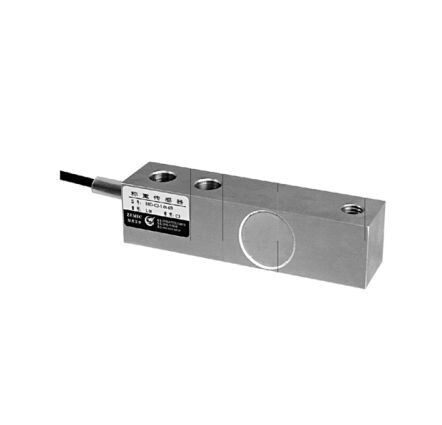
Zemic B8D
Stainless double shear beam cell for demanding tank and silo installations.
Capacity range500 kg–5 t
Tank weighing systems · South Africa
Richter Scale designs and supplies load-cell systems for tanks, silos, hoppers and process vessels—helping plants measure inventory, control batches and automate filling without interrupting production.
How tank weighing works
Load cells are installed between the tank supports and foundation. The combined signal is conditioned, displayed and sent wherever the process needs it.
Supports transfer the vessel load cleanly into each mount.
Sensors measure the combined dead load and product mass.
A junction box trims cells and carries a stable signal.
Indicators, PLCs or controllers display and act on weight.
Tank-scale building blocks
Final selection depends on gross vessel weight, number of supports, wind and piping forces, accuracy, material and environmental exposure.
Stainless double shear beam cell for demanding tank and silo installations.
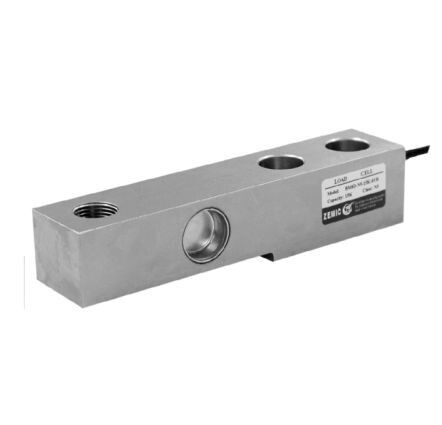
Stainless double shear beam cell suited to tanks, conveyors and heavy platforms.
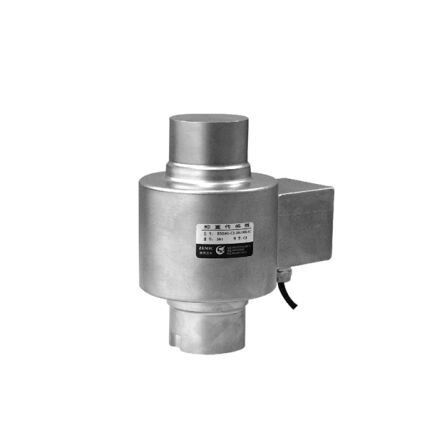
Compression load cell for large silos, tanks and process-control systems.
Solution finder
Select the closest application. The email button includes the chosen route, likely equipment and the information Richter Scale needs to confirm.
Tank weighing avoids density, foam and internal-condition assumptions that can affect inferred volume.
Compression or beam systems can track granular and powdered material through fill and discharge cycles.
Use live weight to stop filling, sequence ingredients, manage recipes or control discharge.
Existing vessels can often be converted, but supports, pipework, ladders and braces must be assessed first.
From vessel to verified signal
The load cells cannot correct for rigid pipes, binding supports or uncontrolled forces. The complete installation is designed as one measurement system.
Product, vessel weight, supports, environment, accuracy and control outputs.
Choose cells, mounts, restraints, junction box, indicator and cable protection.
Prepare level foundations, manage piping influence and protect every signal path.
Commission with suitable test loads or an agreed material calibration method.
Applications
Tank scales are used wherever mass gives a more useful, repeatable process value than visual level or inferred volume.
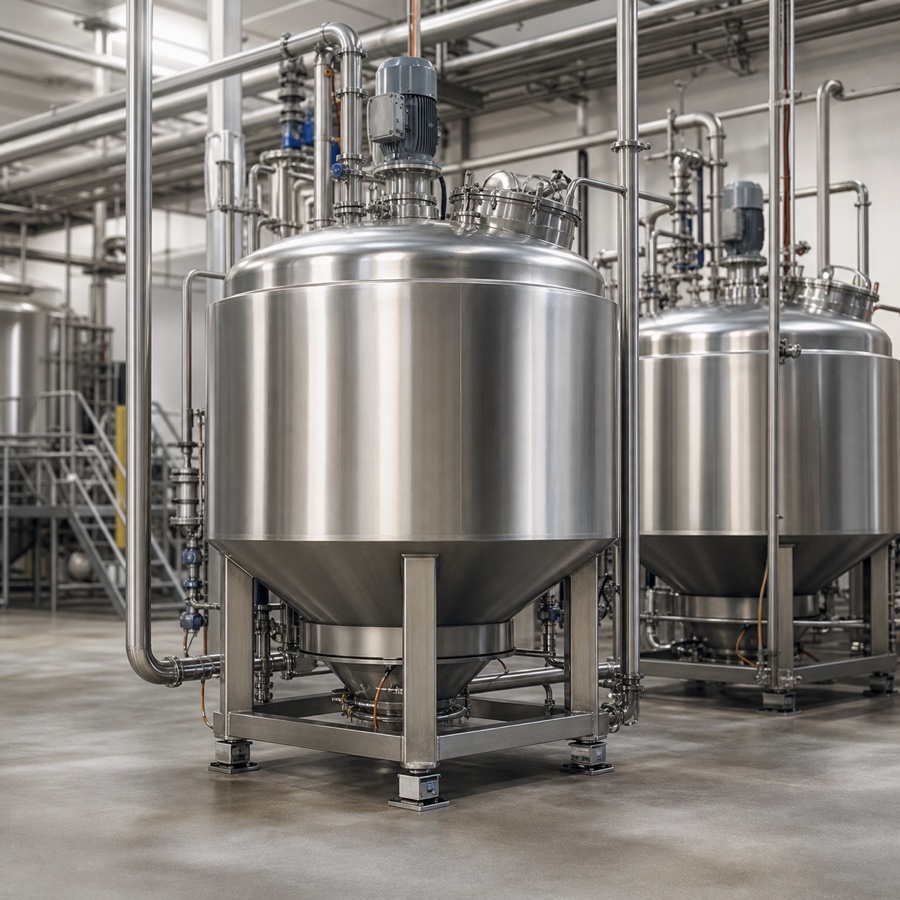
Ingredient tanks, mixing vessels, oils, syrups and bulk storage.

Inventory, dosing and transfer monitoring in demanding environments.
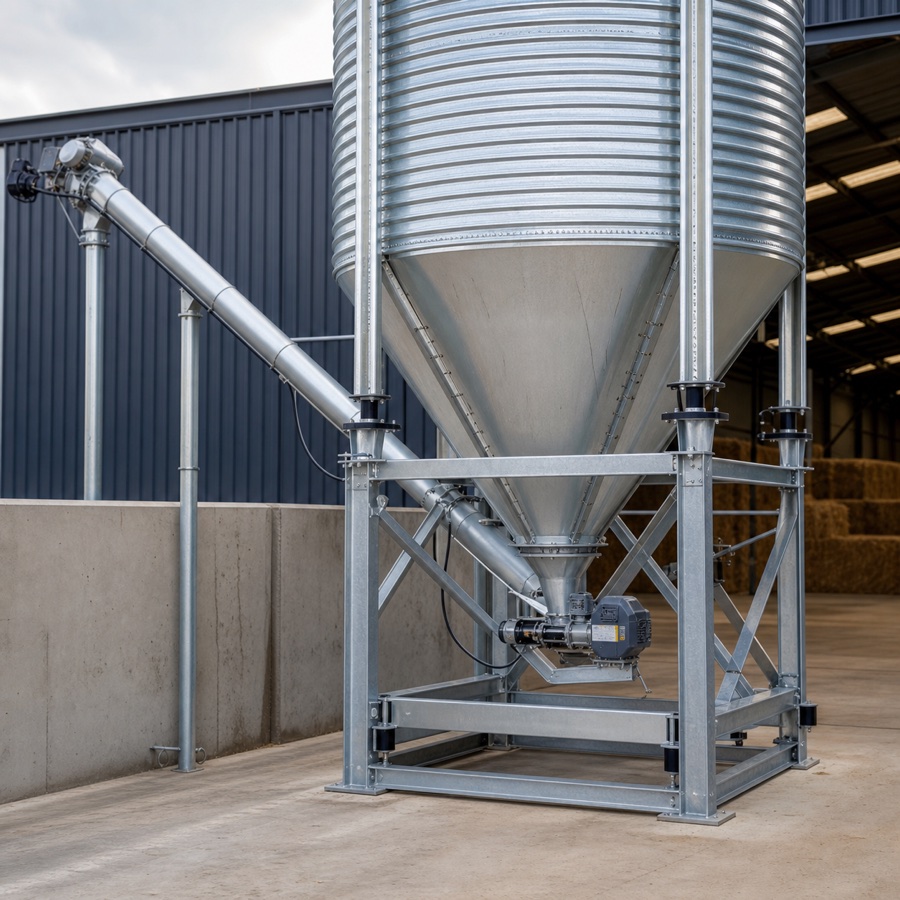
Feed silos, grain, fertiliser and farm process vessels.
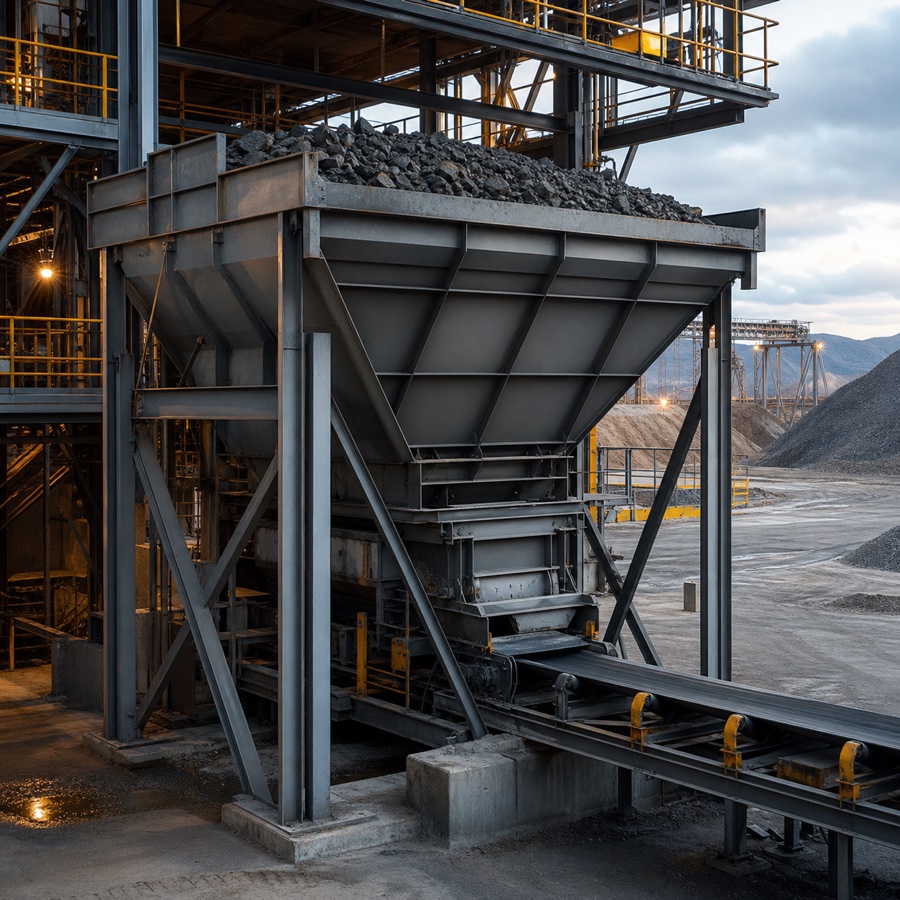
Hoppers, reagent tanks and high-capacity process equipment.
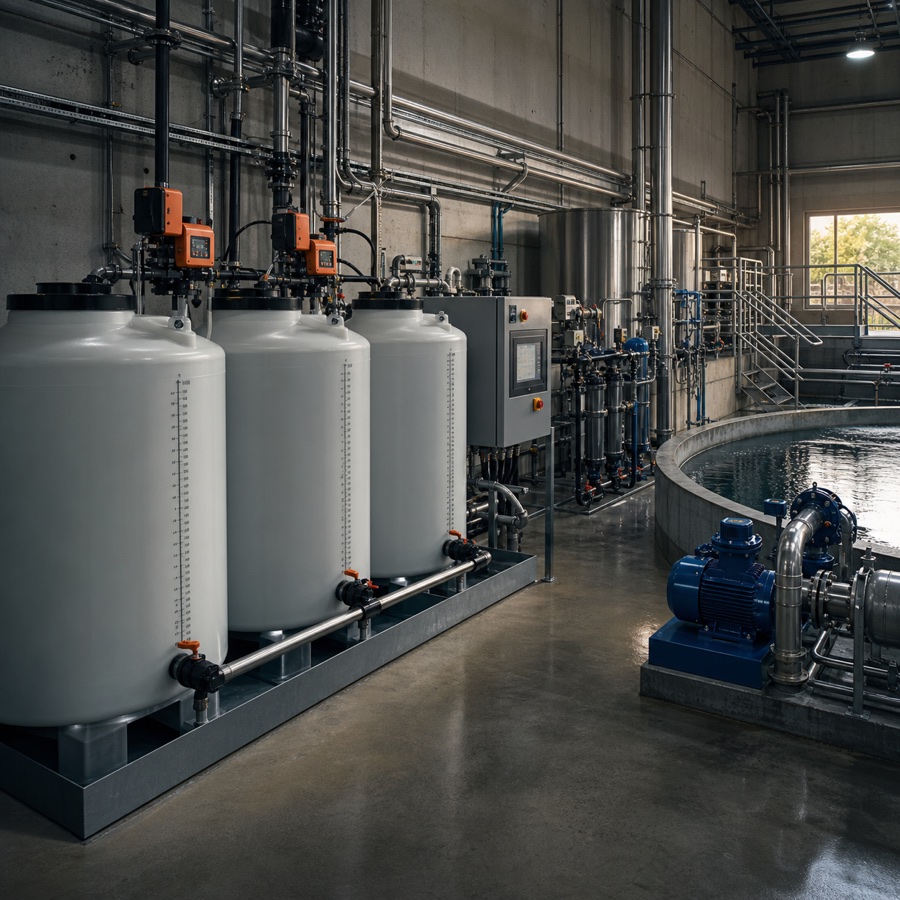
Chemical dosing, sludge and consumable inventory control.

Batching, filling, dispensing and material accountability.
Frequently asked questions
Often yes, provided each support can transfer load correctly and rigid pipes, braces, ladders or services do not bypass the load cells.
Selection considers the vessel dead load, maximum contents, number of supports, uneven loading, dynamic forces and a suitable safety margin.
Yes. Suitable indicators and transmitters can provide analogue, relay or digital communications, depending on the control system.
The system measures mass. Litres can be calculated only when product density is known and sufficiently stable for the required accuracy.
Mechanical binding, rigid pipework, wind, vibration, temperature, poor foundations, incorrect mounts and unsuitable calibration can all affect the result.
Trade-use requirements depend on the application and South African legal-metrology rules. Tell Richter Scale if the value will be used for buying or selling.
Request a technical quotation
Complete what you know. The form prepares a structured email for Richter Scale; photographs and drawings can be attached from your email application.
Fields marked * are essential. Estimates are acceptable at this stage.